
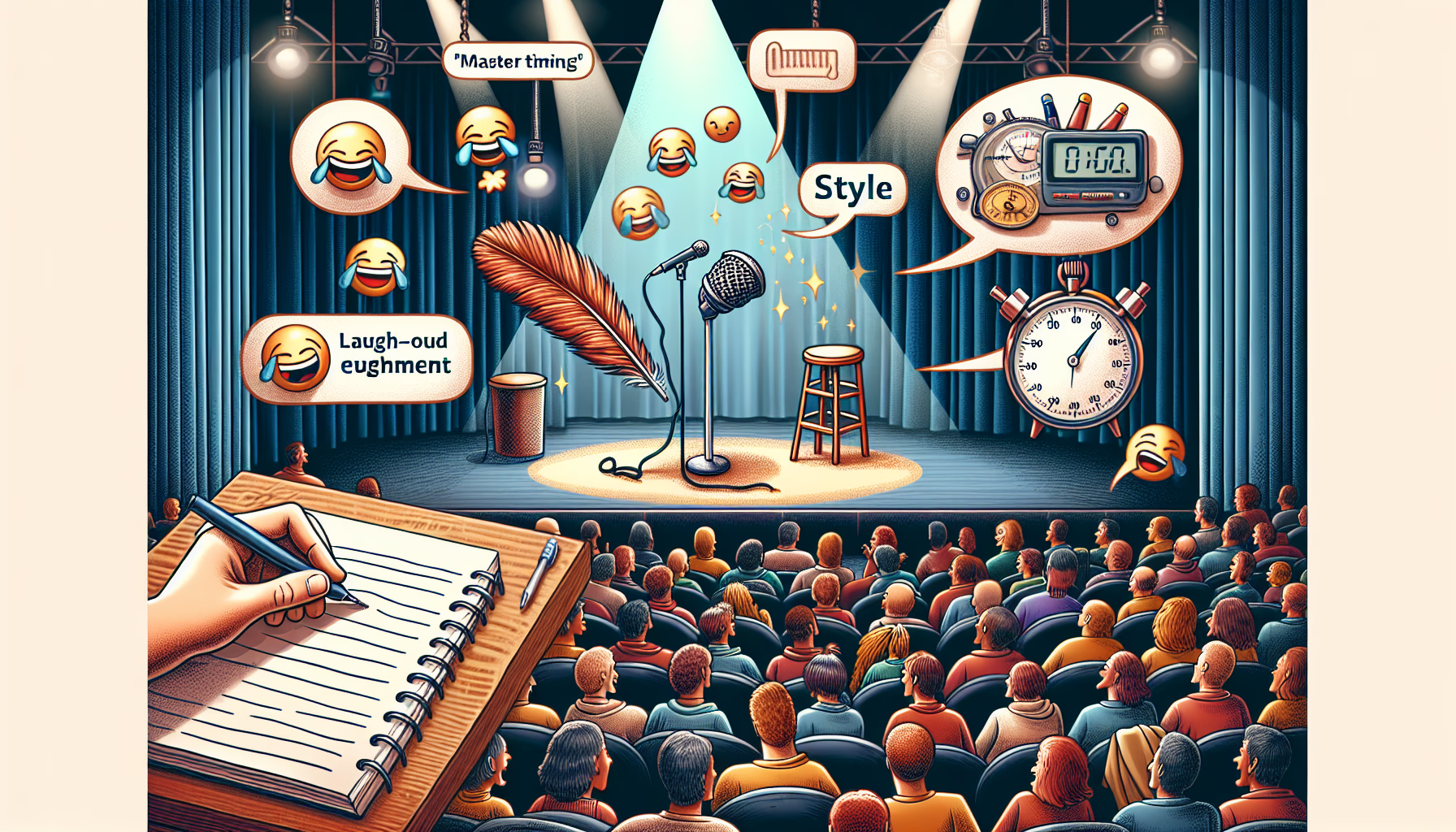

Imagine stepping onto a stage, spotlight shining down, and all eyes on you, waiting for that first punchline. Writing stand-up comedy is an art form that blends wit, timing, and a touch of personal truth into routines that keep audiences laughing. Whether you're dreaming of becoming the next big comedian or just want to spice up your public speaking skills, mastering the craft of writing humor is your starting point.
Before you jot down your jokes, understanding the basics of comedic writing is crucial. From structuring a set to developing your unique style, each element plays a pivotal role in how your performance will be received. Ready to dive into the world of stand-up? Let’s explore how you can create material that not only tickles funny bones but also resonates with listeners far beyond those first giggles.
Understanding the Basics of Comedy Writing
In this section, you will delve into the core principles that form the foundation of writing stand-up comedy. Grasping these basics is crucial for crafting jokes that not only make people laugh but resonate with them on a deeper level.
The Role of Timing in Comedy
Timing proves essential in maximizing the impact of your punchlines. Mastering comedic timing allows you to manipulate audience reactions effectively. For instance, pausing right before delivering a punchline can build anticipation and lead to a stronger reaction once the joke lands.
Engage audiences by varying your delivery speeds based on the content:
Speed up during exciting or absurd segments to enhance their energy.
Slow down when approaching key punchlines to emphasize their importance.
Observing experienced comedians perform offers valuable insights into how they use timing as a tool to control audience engagement and response.
Types of Comedy Styles
Understanding different comedy styles helps identify which best suits your personality and material. Each style has unique characteristics that cater to various audience preferences:
Observational: Focuses on everyday life's quirks and commonalities (think Jerry Seinfeld or Ellen DeGeneres.
Physical: Involves exaggerated movements and facial expressions) famous examples include Jim Carrey and Rowan Atkinson.
Satirical: Critiques politics, societal norms, or celebrities through irony and sarcasm (commonly used by John Oliver and Stephen Colbert.
Absurdist: Relishes in illogical scenarios and nonsensical humor) like Monty Python or Andy Kaufman.
Experimenting with these styles can uncover what resonates most profoundly with your comedic voice, potentially blending elements from multiple types to define your distinct flair onstage.
Materials Needed for Writing Stand Up Comedy
When embarking on the journey of writing stand-up comedy, having the right materials at your disposal simplifies the process and enhances creativity. The following items are essential:
Notebook or Digital Device
Start with a reliable notebook or digital device to jot down ideas as they come. Comedians often find inspiration in everyday situations (restaurants, conversations, observations) making it crucial to have a quick way to record thoughts.
Notebook: Choose one that is sturdy and portable.
Digital Device: Apps like Evernote or Google Keep can synchronize notes across all devices ensuring no idea gets lost.
Voice Recorder
Capture nuances in delivery and spontaneous ideas with a voice recorder. This tool proves invaluable for practicing routines and capturing vocal variations that text alone might miss.
Use: Record spontaneous jokes or refine delivery.
Benefit: Play back recordings to assess timing and inflection.
Writing Software
Specialized writing software offers features that streamline the comedic writing process. Programs like Scrivener or Final Draft provide templates specifically designed for scripts, helping structure your set effectively.
Features: Organizational tools, formatting options tailored for scripts.
Advantage: Simplifies revisions and organizes written material efficiently.
Books on Comedy Writing
Gain insights from experts with books dedicated to comedy writing techniques. Titles such as "Step by Step to Stand-Up Comedy" by Greg Dean can guide you through structuring jokes to constructing an entire routine.
Recommendation: Select books that offer exercises and real-life examples.
Purpose: Understand different comedic styles and how they appeal to various audiences.
Each of these materials plays a pivotal role in crafting stand-up comedy that not only entertains but resonates deeply with audiences. Equip yourself appropriately, allowing your unique voice to shine through each performance.
Finding Inspiration
Drawing inspiration is a pivotal step in crafting stand-up comedy that resonates with both the comedian and the audience. This section explores various sources from which you can derive creative ideas to enrich your comedic material.
Observing Daily Life
Harness everyday experiences as a treasure trove of comedic gold. Start by paying close attention to mundane activities, conversations, and seemingly trivial occurrences. Jot down unusual observations or funny interactions, as these can form the basis for relatable comedy sketches. For instance, your frustration at a coffee shop or an awkward encounter at a bus stop could translate into humorous anecdotes that engage audiences.
Engaging With Other Comedians
Interaction with fellow comedians offers invaluable insights and sparks creativity through exposure to different styles and perspectives. Attend local comedy shows, join comedy clubs or online forums, and participate in workshops where you can watch performances and discuss techniques. Analyze how other comedics craft their jokes and manage stage presence; this might inspire new angles for your own routines.
Exploring Different Mediums
Look beyond stand-up comedy to other forms of humor in media such as television shows, movies, podcasts, and books. These platforms provide diverse content that can stimulate your creative process. Identify what appeals to you in these mediums (be it the narrative style, character development, or thematic elements) and consider how these aspects might adapt creatively to your stand-up routine.
Crafting Your Persona and Voice
In stand-up comedy, your persona and voice determine how the audience perceives and connects with you. This section guides you on shaping a distinctive character and maintaining authenticity to enhance your comedic performance.
Developing a Unique Character
Creating a unique character in stand-up comedy involves distinguishing yourself from others in the field. Start by analyzing comedians you admire; note specific traits that make them memorable, such as Rodney Dangerfield's self-deprecating humor or Ali Wong's bold societal observations. Next, integrate aspects of your personality that amplify your comedic style, whether it’s sarcasm, dry wit, or an upbeat demeanor.
Focus on consistency to establish your character firmly. If you opt for a naive persona, ensure that this trait is evident across all jokes and interactions during your performance. Test different facets of your character at small venues or open mics to gauge audience reaction and refine accordingly.
Authenticity in Comedy
Authenticity resonates deeply with audiences. It allows them to connect with you beyond the surface level of jokes. To maintain authenticity, draw material from real experiences and emotions. Consider moments when you felt joy, embarrassment, frustration, or surprise; these genuine feelings can form the backbone of relatable content.
Remember not to fabricate stories just because they might elicit laughs. Audiences often detect insincerity which can disconnect them from the performer. Instead, use honest reflections about life’s peculiarities to find humor naturally present in everyday situations.
By focusing on developing a unique character aligned with authentic narratives derived from personal experiences, you create a comedic identity that not only entertains but also endears long-term followers.
Writing the Stand Up Set
Crafting your stand-up comedy set involves meticulous structuring, creative joke writing, and narrative development. This section guides you through these essential processes.
Structuring Your Routine
Begin by organizing your material into a coherent flow that maximizes audience engagement. A typical structure might look like this:
Opening: Capture attention with strong, quick-witted jokes.
Middle: Introduce longer segments and stories to build rapport.
Closing: Conclude strongly with your best material to leave a lasting impression.
Each part of your routine serves a strategic purpose, pacing the laughter and ensuring sustained interest.
Writing Jokes and Punchlines
Joke writing is both an art and a science. Follow these tips for effective punchlines:
Conciseness: Keep setups short; deliver punchlines in 10 words or fewer.
Misdirection: Lead the audience one way then surprise them with the punchline.
Relevance: Connect jokes to everyday experiences to increase relatability.
Experiment with various forms such as one-liners, observational humor, or topical jokes to find what works best for you.
Building a Story Arc
A compelling story arc can significantly enhance your stand-up set by adding depth and emotion:
Introduction: Establish the setting and characters involved.
Conflict: Introduce problems or unusual situations that create tension.
Resolution: Conclude with resolutions that are unexpected yet satisfyingly humorous.
Integrating personal anecdotes makes stories resonate more profoundly with audiences, fostering a deeper connection through shared experiences.
Editing and Refining Your Material
Once your stand-up comedy material takes shape, the next crucial step involves editing and refining to enhance its impact. This process ensures that every line delivers maximum effect and maintains audience engagement throughout your set.
Using Feedback Effectively
Record performances often, whether during open mics or smaller gatherings, and seek feedback from varied audiences. Pay close attention to their reactions; laughter, applause, and attentiveness provide real-time data on what works. Gather opinions post-performance too, different perspectives can highlight areas for improvement you might overlook.
Implement constructive criticism systematically:
Identify common themes in the feedback received, like certain jokes consistently underperforming.
Experiment with modifications based on feedback before finalizing changes. For instance, tweaking the punchline or adjusting the setup of a joke may yield better responses.
Balance feedback with personal style, ensuring that edits align to both audience preferences and your comedic voice.
This approach not only refines your material but also deepens your understanding of diverse audience dynamics.
Timing Your Set
Mastering the timing of your set is essential for maintaining rhythm and keeping an audience engaged. Effective timing involves more than just pacing individual jokes; it encompasses managing the entire performance duration to fit within allotted stage times.
Strategies for perfecting timing include:
Practicing with a stopwatch helps gauge how long each segment takes, allowing adjustments as necessary.
Pausing strategically after punchlines gives the audience time shelled out for reaction which often enhances the impact of a joke.
Adjusting delivery speed based on immediate audience feedback; if they’re highly responsive, slow down to let them enjoy each moment. Conversely, pick up pace if energy seems low.
By fine-tuning these elements during rehearsals, you ensure smooth transitions between jokes and maintain control over the crowd’s mood throughout your performance.
Practicing Your Stand Up Routine
After refining your material and mastering the comedic timing, practicing your stand-up routine becomes crucial. Effective practice ensures you deliver each joke with confidence and engage your audience from start to finish.
Mirror Practice
Begin by rehearsing in front of a mirror to observe facial expressions, gestures, and body language. This method allows you to see yourself as the audience would, providing immediate visual feedback on how well you connect physically with your jokes. Focus on maintaining eye contact with your reflection which simulates connecting with an audience's gaze. Adjust gestures that seem unnatural or forced, aiming for a relaxed demeanor that enhances delivery rather than detracting from it.
Monitor facial expressions: Ensure they match the tone of your jokes.
Refine physical comedy: Work on timing and execution of any physical humor.
Assess posture and movement: Optimize how you occupy space during your set.
Small Audience Practice
Graduate to performing in front of a small group once comfortable with mirror practice. This step involves friends or family members who can provide constructive feedback. Small audience practice helps adapt to varying reactions and refine pacing based on real-time responses. Encourage honest feedback, focusing specifically on areas like comedic timing, punchline effectiveness, and overall delivery.
Gather diverse viewers: Include people from different backgrounds to get varied responses.
Encourage detailed critiques: Ask for specific comments on what worked and what didn’t.
Simulate actual performance conditions: Try to recreate the setting of a typical stand-up venue if possible.
By transitioning from solo mirror rehearsals to interactive sessions with a small crowd, you enhance not only comfort but also adaptability, key attributes that will serve you well in larger venues.
Performing Your Routine
After refining your material and mastering the timing, performing your routine becomes the next crucial step. This involves choosing an appropriate venue and understanding how to engage effectively with the audience.
Choosing the Right Venue
Selecting an ideal venue impacts the success of your comedy performance significantly. Consider these factors:
Size and Layout: Opt for a venue that matches the expected audience size. A too-large venue can make even a good crowd seem sparse, while a too-small space might turn away potential viewers if it fills up quickly.
Audience Demographics: Target venues that cater to demographics similar to those who enjoy your style of humor. For example, younger audiences might frequent comedy clubs or bars, whereas older demographics could prefer theater settings.
Acoustics and Equipment: Ensure the venue has adequate sound equipment and acoustics that allow every joke to land without echo or distortion.
Location: Choose locations with easy accessibility for potential attendees. Venues in central areas or near popular dining and nightlife options tend to draw larger crowds.
Engaging With the Audience
The connection you establish with your audience can define the overall impact of your comedic performance. Implement these strategies:
Open Strongly: Capture attention from the start with a strong, relatable joke or anecdote. This sets a positive tone and grabs interest immediately.
Maintain Eye Contact: Connect personally through eye contact, which conveys confidence and keeps engagement levels high.
Interact Dynamically: Include moments where you interact directly with the audience through questions or playful banter, making them feel involved in your performance.
Adapt Based on Reaction: Monitor audience reactions closely; if certain jokes aren't hitting as expected, be prepared to adjust on-the-fly by introducing alternative content prepared beforehand.
By considering these aspects under each subheading when performing your routine, you ensure not only laughter but also memorable experiences that encourage audiences to return for more shows.
Writing Stand-Up Comedy with ChatGPT
ChatGPT can assist you in crafting a stand-up comedy routine by providing fresh ideas, refining jokes, and ensuring your material resonates with your audience.
Prompt:
Help me write a stand-up comedy routine. The theme of my set is [insert theme, e.g., everyday life, relationships, technology, etc.]. I want to incorporate [specific comedic style, e.g., observational humor, satire, physical comedy, etc.]. Please suggest some jokes, punchlines, and transitions that will engage the audience and keep them laughing. Also, provide tips on timing and delivery for each joke.
Using this prompt, ChatGPT will generate a comprehensive and engaging stand-up comedy routine, ensuring each joke is well-timed and effectively delivered to maximize audience reaction.
Troubleshooting Common Issues
When refining your stand-up comedy, you might encounter a few roadblocks that can affect your performance. Address these common issues to maintain engagement and ensure a successful set.
Dealing With Stage Fright
Recognize stage fright as a normal response; manage it with focused breathing and visualization techniques. Start by taking deep breaths before stepping onto the stage to calm your nerves. Visualize a successful performance where you connect well with the audience, eliciting laughter and applause. This mental rehearsal builds confidence.
Engage in regular practice sessions in front of friends or family members who provide supportive feedback. Familiarity with your material reduces anxiety, allowing more focus on delivery rather than remembering lines.
Lastly, adopt a routine before each performance (listening to calming music or performing light exercises can help dissipate tension.
Handling Unresponsive Audiences
Adjust dynamically to unresponsive audiences by altering delivery speed, tone, and potentially content during the performance. Begin by assessing the room's energy; sometimes slowing down or speeding up your delivery can capture their attention more effectively.
Incorporate interactive elements if initial jokes do not land well) asking rhetorical questions or involving the audience directly often breaks the ice and draws them into your routine.
Switching topics might also reignite interest. If political satire isn't garnering any reaction, transition into observational comedy about daily life experiences that may be more relatable for that particular audience.
By applying these strategies, you enhance not only your adaptability on stage but also deepen your understanding of varying audience dynamics.
Conclusion
Diving into stand-up comedy can be an exhilarating challenge that not only hones your wit and timing but also connects you deeply with audiences. Remember, the key to captivating viewers lies in your ability to stay true to yourself while skillfully adapting to their responses. With practice and persistence, you'll find your rhythm and develop a comedic style that resonates with people. So take the plunge, embrace the unpredictability of live performances, and let every stage experience sharpen your craft. Whether you're dealing with nerves or unresponsive crowds keep pushing forward, your unique voice is what will ultimately define your path in comedy.
Frequently Asked Questions
What are the key elements of successful stand-up comedy?
The key elements include wit, timing, and authenticity. Mastering these aspects helps engage audiences effectively.
How can a comedian develop their unique comedic style?
Developing a unique style involves understanding different comedy styles, experimenting with them, and reflecting on personal experiences to find what truly resonates with both the comedian and their audience.
What are some effective techniques for overcoming stage fright in stand-up comedy?
Effective techniques include focused breathing, visualization exercises, and practicing the routine extensively. These methods help reduce anxiety and increase confidence on stage.
How should a comedian handle unresponsive audiences?
Handling unresponsive audiences includes staying authentic, using dynamic adaptation to gauge and match audience reactions, and perhaps altering the delivery or content slightly to better connect with the crowd.
Why is it important for comedians to maintain authenticity on stage?
Maintaining authenticity helps in establishing a genuine connection with the audience. This realness makes performances more relatable and impactful, fostering long-term engagement from followers.
What role does venue selection play in a comedian’s performance success?
Choosing the right venue impacts how well an audience can interact with and respond to a performance. A suitable venue aligns with the comedian's style and caters to an appreciative audience which enhances overall success.
What should comedians do regularly to sharpen their skills?
Regular practice of routines, engaging directly with diverse audiences through live performances, refining timing based on feedback, and continuously working on material development are crucial for skill enhancement.

