
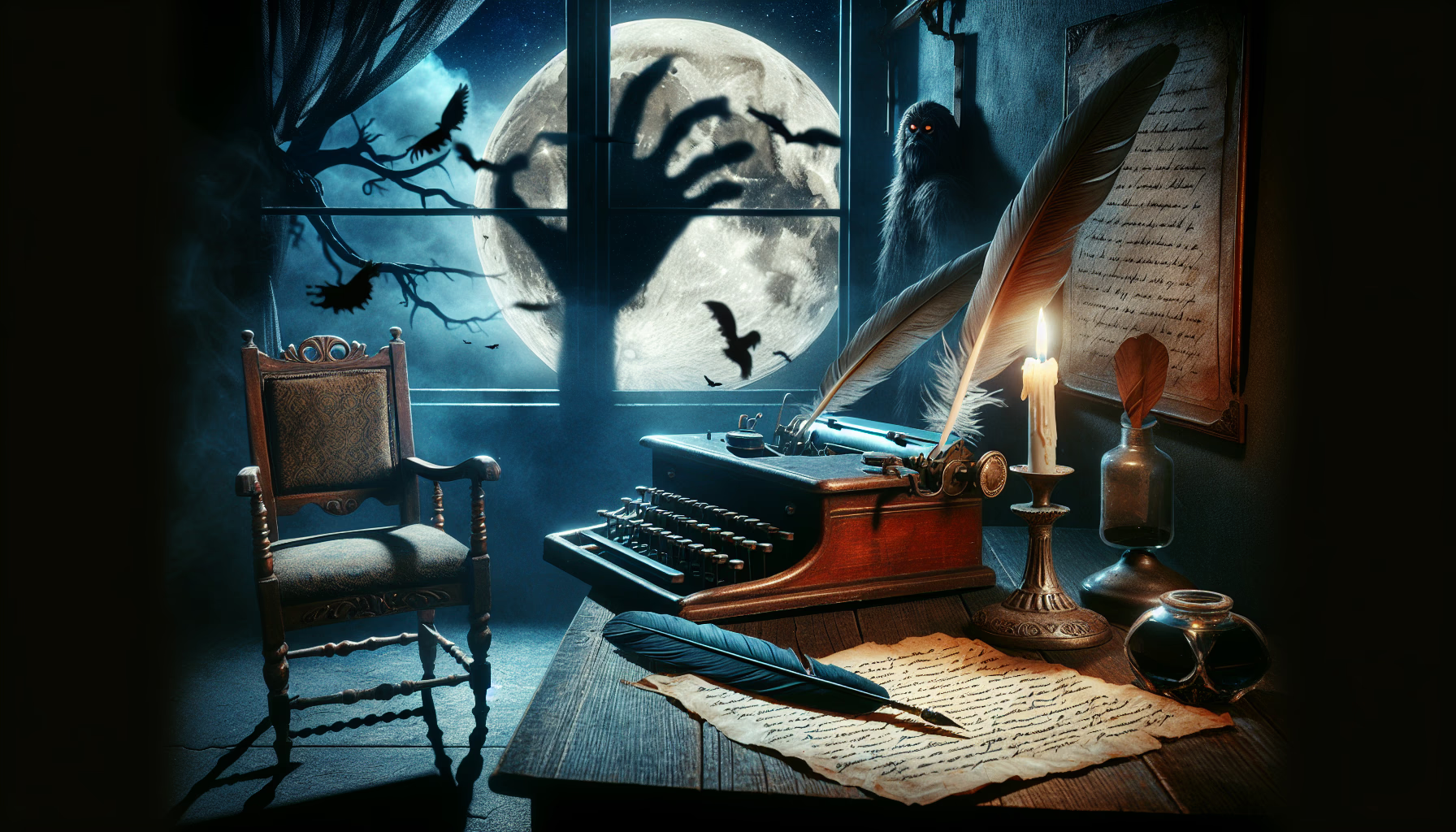

Key factsBuild horror through atmosphere, fear, character, twists, and the unknown
- Effective horror fiction relies on five elements: atmosphere, fear, relatable characters, supernatural elements, and plot twists.
- Classic references include Stephen King's 'The Shining' and Shirley Jackson's 'The Haunting of Hill House'.
- Psychological horror builds tension through ambiguity and internal conflict, while physical horror uses visceral, tangible threats.
- Limiting visibility with darkness or fog and withholding explanations builds fear of the unknown.
- Get feedback from beta readers who enjoy horror fiction to identify unclear plot points or weak scares.
Imagine crafting a story so chilling that it lingers in the reader's mind long after the last page is turned. Writing horror isn't just about gory details or jump scares. It’s an art that requires a deep understanding of fear and suspense. Whether you’re a budding writer or looking to refine your skills, mastering this genre can transform your storytelling.
You'll need more than just a spooky setting and a menacing antagonist; successful horror writing taps into our deepest fears and keeps us hooked with compelling characters and unpredictable twists. Ready to dive into the world of horror writing? Let’s explore how you can create tales that truly terrify and enthrall your audience.
Understanding the Horror Genre
Diving deeper into horror writing, understanding its core principles is essential for crafting impactful stories.
The Definition of Horror
Horror engages readers by tapping into their primal fears and emotions. This genre aims to evoke feelings of dread, fear, and terror. Effective horror often explores the unknown and confronts characters with their darkest thoughts and deepest anxieties.
Elements That Define Horror Fiction
Several key elements are crucial in defining horror fiction:
Atmosphere: Establishing a gripping atmosphere is paramount. Dark forests, abandoned houses, or eerie silences contribute to creating a sense of suspense.
Fear: Central to horror is the exploration of universal and existential fears; examples include fear of death, the unknown, or loss of identity.
Characters: Relatable characters enhance the connection between the story and its audience. Characters may face internal conflicts or external threats that challenge their sanity or morality.
Supernatural Elements: Many horror stories incorporate supernatural entities like ghosts, monsters, or other paranormal occurrences which defy natural laws.
Plot Twists: Unpredictable twists keep readers engaged and on edge. These surprises often challenge preconceived notions about reality within the story.
Each element works together to unsettle and captivate readers ensuring they remain absorbed in your horrifying tale.
Research and Inspiration
Delving into horror writing necessitates a deep understanding of its roots and the various mediums through which it thrives. This section guides you on how to draw inspiration from literature, other media forms, and real-life events to enrich your horror narratives.
Reading Iconic Horror Literature
Begin by immersing yourself in classic and contemporary horror books. Authors like Stephen King, Shirley Jackson, and H.P. Lovecraft have set benchmarks in creating unnerving atmospheres and psychologically complex characters. For instance, King’s novel "The Shining" explores isolation and madness while Jackson's "The Haunting of Hill House" delves into supernatural hauntings intertwined with human fragility. Analyzing these works will help you understand narrative techniques that effectively evoke fear.
Exploring Horror in Other Media
Horror extends beyond the pages of books; films, video games, and podcasts also offer rich sources for creative fuel. Films such as "Hereditary" use visual storytelling to amplify dread, whereas video games like "Resident Evil" immerse players directly in terrifying scenarios. Podcasts like “Lore” explore real-world myths within a modern context. Watching, playing, or listening to these examples provides insights into building suspense across different formats.
Gathering Real-Life Inspirations
Look around, real life brims with stories that can inspire horrifying tales. Historical events like the Salem Witch Trials or haunted locations often provide a basis for compelling horror fiction. Interviews with individuals who have experienced unexplained phenomena can also spark ideas for unique story elements rooted in reality-based fear.
Setting the Tone and Atmosphere
Creating an eerie setting is crucial for immersing readers in your horror story. This section discusses how to build a chilling atmosphere that enhances the narrative's emotional impact.
Establishing a Creepy Setting
To establish a creepy setting, focus on detailed visual descriptions and sensory information. Choose locations that naturally evoke fear or discomfort, such as dilapidated houses, isolated forests, or foggy graveyards. Describe these settings using vivid language that appeals to the senses; mention how the old house’s floorboards creak with every step, or how the mist feels cold and damp on the skin. Select elements like twisted trees or unexplained noises that contribute to an unsettling ambiance.
Using Weather and Time to Enhance Horror
Incorporating specific weather conditions and times of day can significantly amplify the horror in your narrative. Dark, stormy nights provide classic settings that limit visibility and heighten suspense. Rain pounding on windows or thunder rumbling in the distance can add layers of sound that make scenes more intense. Utilize fog for mystery, blurring lines between reality and imagination. Leverage the dead of night when fears are most potent due to human's natural fear of darkness; describe how shadows play tricks on eyes or how silence amplifies every small noise.
Creating Compelling Characters
After establishing the eerie setting and atmosphere, focus shifts to the characters who will navigate your chilling narrative. Compelling characters are crucial as they drive the story forward and connect readers emotionally, making their fears tangible.
Developing the Protagonist
Create a relatable protagonist with depth by blending ordinary traits with unique reactions to supernatural events. In horror stories, protagonists often embody everyday vulnerabilities which heighten when faced with terror. Provide them with flaws such as fear of darkness or intense curiosity; these traits can catalyze critical plot developments. For instance, a character's decision to investigate a mysterious noise alone could lead to pivotal scary encounters.
Crafting Memorable Antagonists and Monsters
Design antagonists that symbolize deeper fears or societal issues to enhance their impact on the reader. Horror thrives on memorable villains and monsters whose presence challenges the protagonist’s safety and beliefs. These entities should have distinct motivations and backgrounds that make them more than mere obstacles; they could represent universal anxieties like abandonment or corruption. Examples include creatures born from scientific experiments gone wrong or spirits seeking vengeance for past wrongs.
Utilizing Side Characters
Leverage side characters to build tension and enrich the storyline without overwhelming main plot arcs. Side characters support your horror narrative by providing insights into the primary threat or adding layers of complexity through their personal stories connected to larger themes of horror. They can serve as early victims to demonstrate the antagonist's danger or bearers of crucial information about the curse plaguing your protagonist’s world.
Building Suspense and Tension
Building suspense and tension is crucial to engaging your readers and enhancing the horror experience. This involves carefully crafting each scene to escalate fear and anticipation.
Pacing Your Story
Effective pacing is essential for maintaining suspense in horror writing. Balance slower, more descriptive sections with fast-paced, action-driven scenes. Start by establishing a baseline pace that allows room for character development and atmospheric build-up. As the story progresses, gradually increase the pace by introducing elements of danger or uncertainty that compel readers to turn the page.
Introduce Subtle Clues: Gradually reveal information about potential threats or mysteries.
Vary Scene Lengths: Mix short, tense scenes with longer, detailed ones to keep readers on edge.
Control Information Flow: Limit how much information you disclose at once to heighten intrigue.
Using Fear of the Unknown
Leverage fear of the unknown by withholding information from both characters and readers. This lack of knowledge can be a powerful tool in creating an atmosphere of dread.
Limit Visibility: Use settings like darkness or fog to obscure clear vision.
Avoid Explicit Explanations: Let imaginations run wild by not fully explaining strange noises or eerie occurrences.
Create Unpredictable Situations: Place characters in unfamiliar environments where norms don’t apply.
Implementing Cliffhangers and Plot Twists
Cliffhangers and plot twists are effective techniques for building tension that keeps your audience engaged until the very end.
End Chapters on High Notes: Make sure each chapter ends with a question or unresolved situation urging further reading.
Twist Expectation: Introduce plot twists that change reader expectations mid-story.
Use Misdirection: Lead your readers down one narrative path only to reveal another reality as they proceed.
By mastering these techniques, you ensure that your horror story maintains an unyielding grip on its audience's nerves right up until its chilling conclusion.
Writing Scary Scenes
Descriptive Language and Sensory Details
Craft vivid scenes using descriptive language that appeals to the senses. Engage readers by describing settings and actions in detail, such as the eerie whisper of wind or the sudden chill of a darkened room. For example, instead of stating "the room was scary," depict how the dim light barely reveals sharp, elongated shadows that seem to creep towards the character. Such descriptions help paint a clearer picture and enhance the immersive experience.
Utilize Visual Imagery: Describe decrepit settings, ghostly figures, or unsettling phenomena.
Incorporate Auditory Elements: Convey sounds like creaking floors, rustling leaves, or faint murmurs.
Invoke Other Senses: Mention tactile sensations like an unexpected brush against the skin or the taste of iron in the air.
Psychological vs. Physical Horror
Differentiate between psychological and physical horror to enrich your narrative. Psychological horror focuses on mental or emotional states, explore fears rooted in ambiguity and unknown elements that challenge perceptions. Physical horror deals with tangible dangers and graphic depictions of harm which directly threaten characters' safety.
Psychological Horror: Build tension through uncertainties and internal conflicts within your characters.
Physical Horror: Include visceral threats from creatures, humans, or other entities that evoke disgust or shock.
Balancing Shock Value with Tension
Masterfully balance shock value with tension to maintain suspense without desensitizing your audience. Shock can effectively jolt readers but relies heavily on timing and context to avoid predictability.
Use Surprise Sparingly: Introduce shocking elements at critical moments for maximum impact.
Maintain Suspense: Keep readers anxious about potential outcomes; let their anticipation build before any reveal.
Regulate Pacing: Alternate between intense action-packed sequences and quieter moments to give readers time to ponder over unfolding events.
By employing these techniques under each subheading strategically enhances not just individual scenes but fortifies your overall horror narrative’s ability to engage and terrify readers effectively.
Dialogue in Horror Writing
Effective dialogue in horror writing not only advances the plot but also enhances the atmosphere and deepens the terror. It helps reveal characters’ fears, builds tension, and can provide chilling revelations.
Writing Realistic Dialogues
Crafting realistic dialogues involves making each character's voice distinct and believable. This realism contributes significantly to the immersion of your readers into your horrifying world.
Research Speech Patterns: Gather information on how different people speak based on their backgrounds, age groups, occupations, and regional dialects offer varied ways of speech.
Maintain Consistency: Each character should have a consistent way of speaking that reflects their personality and background throughout the story.
Subtext Is Key: Often, what is unsaid carries more weight than what is spoken. Use pauses and interruptions to add layers to conversations.
Avoid Over-Exposition: Characters should not give away too much through dialogue; keep them mysterious or unknowing to maintain suspense.
Using Dialogue to Reveal Fear and Personality
Dialogues in horror stories are perfect tools for exposing both personal fears and broader personality traits.
Character Responses: Show how different characters react differently to fear-inducing situations, some might joke nervously while others could shut down completely.
Contrast Between Characters:Consider having characters with contrasting levels of bravery or awareness engage in dialogue to highlight their differences effectively.
This interaction not only reveals their personalities but also magnifies the emotional impact on the reader by setting off these contrasts against each other.
By integrating these techniques into your horror writing, dialogues become a powerful tool not just for storytelling but for crafting an engaging atmospheric narrative that keeps readers on edge.
Editing and Revising Your Horror Story
After crafting your horror story, focus on refining it to enhance the terror and suspense. Editing and revising are crucial steps that transform a good story into a spine-chilling masterpiece.
Focus on Tone Consistency
Ensure tone consistency throughout your horror narrative. A consistent tone maintains the mood you've set, keeping readers immersed in the experience. Review each scene to confirm that the atmosphere aligns with the overall feeling of dread or anxiety you aim to evoke. If a passage seems too light-hearted or diverges from the intended emotional impact, adjust the language or scenario details accordingly.
Inspect Dialogue: Ensure dialogue complements the spooky ambiance.
Evaluate Descriptions: Check if descriptions maintain a dark, foreboding sense.
Monitor Pacing: Slow or quicken pacing in sections to match tension levels.
Enhance the Descriptive Elements
Boosting descriptive elements is vital for creating vivid imagery that terrifies and captivates your audience. Focus on sensory details (what characters hear, see, smell, touch, and taste) to paint a more complete picture of each horrifying moment.
Use Strong Adjectives: Employ powerful adjectives to intensify scenes (e.g., "ghastly," "grisly").
Incorporate Metaphors: Use metaphors to relate unfamiliar horrors to everyday experiences.
Detail Character Reactions: Describe physical reactions to fear such as sweat beads forming on foreheads or hands trembling uncontrollably.
Get Feedback from Beta Readers
Gathering feedback from beta readers can immensely improve your story’s effectiveness in evoking fear. Select readers who enjoy horror fiction and ask them specific questions about their reading experience:
Did any parts of the story not feel scary?
Were there confusing plot points?
How did they perceive character development through fearful situations?
Compile feedback and decide which aspects need refinement based upon these insights:
Clarify Confusions: Address any unclear plot twists or character motivations.
Adjust Fear Factors: Increase scare tactics where readers felt unaffected.
Refine Characters' Fears: Ensure characters' responses align realistically with terrifying events.
By employing these strategies under each subheading, you polish your horror story into an unnerving journey that lingers with readers long after they turn the last page.
Marketing Your Horror Story
After mastering the art of crafting a chilling horror story, your next step involves effectively marketing it to reach the right audience. This section will guide you through targeting your ideal readers, exploring suitable publishing strategies, and leveraging digital platforms for promotion.
Identifying Your Target Audience
Understanding who your target audience is forms the foundation of effective marketing. Research demographics that typically enjoy horror stories, such as age groups ranging from teenagers to adults and fans of specific sub-genres like psychological thrillers or supernatural fiction. Engage with communities on platforms such as Goodreads and Reddit to gain insights into their preferences and reading habits.
Strategies for Publishing Horror Stories
Choose between traditional publishing or self-publishing based on your goals:
Traditional Publishing: Submit your manuscript to publishers specializing in horror genres. Include a strong query letter highlighting the unique elements of your story.
Self-Publishing: Utilize platforms like Amazon Kindle Direct Publishing where you control the publication process. Focus on creating an enticing book cover and professional formatting to attract readers.
Using Social Media and Horror Forums
Social media channels and horror-specific forums are invaluable tools for promoting your work:
Create compelling content related to your horror story themes.
Engage with followers by sharing behind-the-scenes content, author interviews, or book excerpts.
Participate in discussions on forums such as Horror Writers Association or Absolute Write Water Cooler.
By implementing these techniques, you can enhance visibility for your horror story and captivate an eager audience ready for spine-chilling narratives.
Common Issues and Troubleshooting
When crafting horror stories, you may encounter specific writing challenges. This section offers targeted advice to overcome these obstacles effectively.
Overcoming Writer's Block
To break through writer’s block in horror writing, engage in freewriting exercises focused on your story’s darkest elements or the deepest fears of your characters. Set a timer for 15 minutes and write whatever comes to mind about a particular scene or fear without editing yourself. Reading works by influential horror authors like Stephen King or Shirley Jackson can also spark creativity and provide new perspectives on building suspense and terror.
Avoiding Horror Clichés
Ensuring originality in your horror story involves twisting traditional tropes to surprise your readers. If dealing with familiar elements such as haunted houses or ancient curses, add unique twists that subvert reader expectations. For example, perhaps the haunted house is actually seeking protection from humans, or the curse turns out to be a misunderstood blessing with dire consequences. These adjustments create fresh narratives that keep the audience engaged.
Handling Sensitive Topics in Horror Writing
Addressing sensitive topics requires careful consideration to avoid alienating or offending readers while still maintaining the impact of your story. Establish clear boundaries for what you are willing to explore in your narrative and consider how best to approach these themes with respect and authenticity. It benefits from researching real-world issues relatedly sensitively portrayed and consulting sensitivity readers who can provide insights into potentially problematic aspects of your depiction.
Writing Terrifying Horror Stories with ChatGPT
With ChatGPT, you can streamline this process and bring your chilling visions to life. Here’s how to achieve that:
Prompt:
Help me craft a horror story that evokes fear and suspense. I want the setting to be [describe your setting, e.g., an abandoned mansion, a fog-covered forest], with a protagonist who is [describe your protagonist, e.g., a skeptical journalist, a haunted war veteran]. The antagonist or supernatural element should be [describe your antagonist, e.g., a vengeful spirit, a cursed artifact]. Include vivid descriptions, sensory details, and unexpected plot twists to keep readers on edge. Provide dialogue that reveals the characters' fears and advances the plot. Suggest a climax that brings all elements together in a terrifying conclusion.
Use this prompt to generate content that can be directly incorporated into your horror story, ensuring it captivates and terrifies your audience.
Conclusion
Mastering the art of horror writing is an exciting journey that challenges your creativity and skill. By weaving together immersive atmospheres, compelling characters, and heart-stopping twists you'll captivate readers and hold them in suspense. Remember to leverage sensory details to bring scenes alive and balance psychological depth with physical scares for a gripping narrative. Finally always refine your work through thoughtful editing and consider feedback essential for fine-tuning your story's ability to truly terrify. Embrace these techniques and watch as your horror stories transform into haunting experiences that linger in the minds of your readers long after the last page is turned.
Frequently Asked Questions
What are the core principles of horror writing?
Horror writing is built on creating an eerie atmosphere, escalating fear, developing complex characters, and incorporating unexpected plot twists. Thorough research and drawing inspiration from a variety of sources are also crucial for crafting compelling narratives.
How can descriptive language improve a horror scene?
Using detailed descriptions and sensory information in horror scenes engages readers by creating vivid imagery that enhances the sense of terror. Descriptive language helps to set the tone and makes the experience more immersive.
What is the difference between psychological and physical horror?
Psychological horror focuses on disturbing the minds of both characters and readers, often through emotional manipulation and mental challenges. Physical horror, meanwhile, involves direct threats to the body or life, such as violence or monstrous creatures.
How does dialogue contribute to a horror story?
Dialogue in horror stories advances the plot, builds atmosphere, and reveals deeper insights into characters' fears and personalities. Effective dialogue maintains character-specific speech patterns, uses subtext wisely, and avoids unnecessary exposition.
Why is editing important in horror writing?
Editing is essential in refining a horror story's ability to evoke fear. It ensures consistency in tone, pacing adjustments for maximum suspense, enhanced descriptions for intensifying terror scenes, clear character reactions to fearful events,and overall narrative coherence.
How can writers overcome common issues like clichés in their horror stories?
Writers can avoid clichés by injecting unique twists into traditional tropes. They should strive for authenticity when addressing sensitive topics (ensuring their portrayal adds value without alienating readers) and utilize freewriting exercises to overcome writer’s block.

