
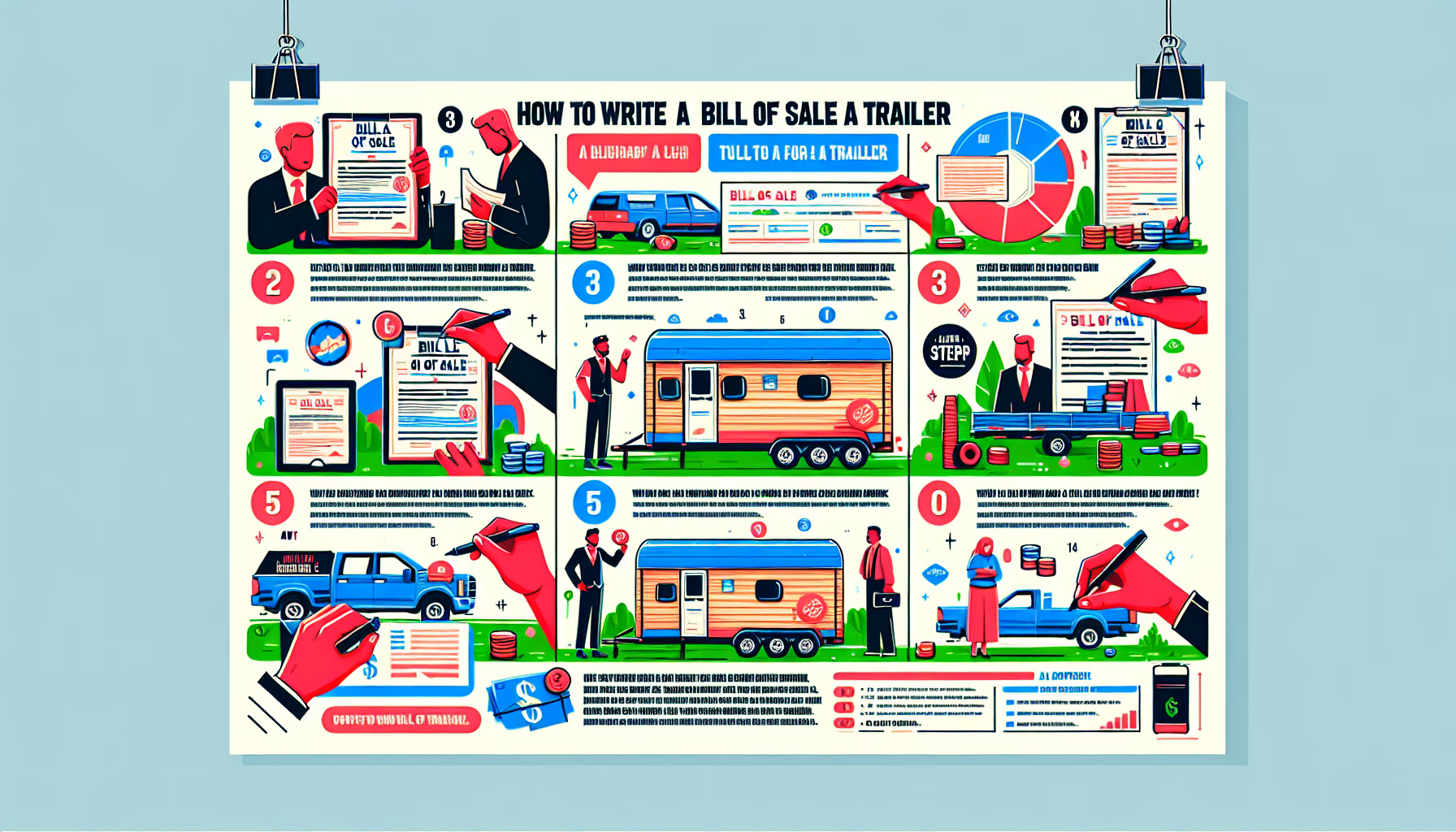

Key factsA trailer bill of sale must record buyer, seller, trailer, and sale details
- A trailer bill of sale must record the make, model, year, and VIN, plus full names, addresses, and contact details for both buyer and seller.
- The transaction section should state the sale price, payment method, sale date, and any warranty information, with 'as-is' noted if no warranty exists.
- Both parties should sign two copies of the document, one for each party, with witnesses if required by local law.
- After signing, copies may need to be submitted to authorities such as the DMV or local tax office depending on local regulations.
- Digital bill-of-sale platforms like DocuSign or Adobe Sign can be used to create, sign, and store the document electronically.
When you're gearing up to sell or buy a trailer, one crucial step can't be overlooked: writing a bill of sale. This document not only provides proof of your transaction but also ensures that all legal bases are covered, protecting both parties involved. If you've never drafted one before, the process might seem daunting at first.
Don't worry though; crafting a bill of sale for a trailer is simpler than it sounds. You'll need to include specific details such as the make, model, and VIN of the trailer, along with the terms of the sale and personal information about both buyer and seller. Ensuring these elements are accurately documented is key to a smooth transfer of ownership.
By following some straightforward guidelines, you can create a comprehensive and legally binding bill of sale that'll make your transaction as secure as possible. Let's dive into how you can draft this essential document with confidence.
What Is a Bill of Sale?
A Bill of Sale acts as a formal document that records the transfer of ownership for an item, in this case, a trailer, from one party to another. It serves as evidence of the transaction and outlines the details concerning the sale.
Importance of a Bill of Sale in Trailer Transactions
A Bill of Sale is essential for several reasons when transacting with trailers. First, it provides concrete proof of purchase and ownership which helps in resolving any future disputes over trailer ownership. In many states, this document is required for the registration process or during title transfers, enhancing its necessity. Additionally, it assures buyers about receiving legal title from sellers who are rightfully authorized to sell the trailer.
Legal Implications of a Bill of Sale
The legal implications tied to having a bill of sale are significant, especially considering compliance with state laws. This document legally binds both parties to their agreed-upon terms once signed; hence it can be used as a contractual agreement in court if disputes arise about the transaction's validity or terms. Furthermore, it protects sellers from potential liabilities related to accidents or violations involving the trailer after its sale if properly documented and transferred.
Necessary Information to Include in a Bill of Sale
When drafting a bill of sale for a trailer, it is imperative to include specific information that validates the transaction and ensures legal compliance. This document must capture all vital details about both parties involved, the trailer itself, and the terms of the sale.
Seller's Information
Include comprehensive contact details of the seller:
Full Name: Ensure this matches with any official ID or documents.
Address: List the current residential address.
Contact Information: Provide an up-to-date telephone number and email address.
This data establishes the seller's identity and provides avenues for future communication if necessary.
Buyer's Information
Document essential details about the buyer:
Full Name: As appears on their government-issued identification.
Address: State their primary residence address.
Contact Details: Include phone number and email to maintain contact channels open post-sale.
Recording this information helps confirm the buyer’s identity and facilitates any required notices or correspondences regarding the trailer.
Trailer Description
Detail critical aspects of the trailer being sold:
Make, Model, and Year: Specify these elements as they appear in vehicle documentation.
Vehicle Identification Number (VIN): A unique code crucial for registration and identification purposes.
Condition: Note any important details regarding age, functionality, repairs needed or recently completed enhancements.
A thorough description aids in avoiding disputes over what was agreed upon during the sale process.
Additional Clauses
Consider including clauses relevant to warranty status or return policies:
If no warranty exists specify "as-is".
Steps to Write a Bill of Sale for a Trailer
Creating an effective bill of sale for a trailer involves several critical steps. These steps ensure the document is legally compliant and reflects the transaction accurately.
Preparing the Document
Begin by gathering all necessary information about the trailer and parties involved in the sale. Essential details include:
Seller's Information: Full name, address, and contact details.
Buyer's Information: Complete name, address, and contact numbers.
Trailer Details: Make, model, year, VIN (Vehicle Identification Number), and a detailed description of its current condition.
Use a template that complies with your state’s requirements or draft one from scratch ensuring it includes spaces for all pertinent data. Templates can be found online or obtained from local vehicle departments.
Detailing the Transaction
Accurately recording transaction specifics is crucial. Include:
Sale Price: Clearly state the amount agreed upon by both parties.
Payment Method: Specify if the payment was made via cash, check, or another method.
Sale Date: Indicate when the money was exchanged and ownership transferred.
Warranty Information(if applicable): Describe any warranties being provided with the trailer.
This section should clearly articulate each aspect of the sale to avoid future disputes.
Signing and Execution
Ensure all parties sign the bill of sale on completion:
Prepare two copies of the document – one for each party.
Both buyer and seller must review all entered information before signing to confirm accuracy.
Signatures need authentication; consider having witnesses sign too if required by law in your area.
Signing formalizes agreement terms making them legally binding under law.
Filing and Copies
After signing:
Distribute copies immediately, one for you as proof of purchase/sale, another kept by other party.
Submit any necessary copies to relevant authorities like DMV or local tax office depending on locality regulations regarding trailer sales.
Retaining well-documented records ensures both compliance with legal standards and easy retrieval should issues arise post-sale.
Tips for Writing a Clear and Effective Bill of Sale
Creating a clear and effective bill of sale is crucial when transferring the ownership of a trailer. This document ensures both parties are aware and agree on all details concerning the transaction.
Use Simple Language
Ensure your bill of sale is easily understandable by using simple language. Avoid technical jargon or legal terms that might confuse either party involved in the transaction. For example, instead of saying "conveyance," simply use "transfer." Keeping the language straightforward assists all parties in understanding their obligations and rights without requiring legal advice.
Be Precise with Details
Include specific information about the trailer to prevent future disputes. Details such as make, model, year, Vehicle Identification Number (VIN), color, condition at time of sale, and any included accessories need to be explicitly stated. Additionally, record exact amounts regarding the sale price and clearly outline payment methods (e.g., cash, check). If applicable, specify warranty conditions that cover certain aspects after purchase.
Verify Information Accuracy
Confirm all information on the bill of sale matches other relevant documents before finalizing it. Check that names match government-issued IDs and ensure VINs align with those listed on insurance documents or registration papers. Both buyer and seller must review each detail thoroughly before signing to guarantee there are no errors which could delay or invalidate ownership transfer processes.
By adhering to these guidelines, you will craft a comprehensive document that clearly communicates the specifics of your trailer transaction while protecting all involved parties' interests.
Common Mist couldnies When Writing a Bill of Shot
Writing a bill of sale for a trailer involves careful attention to detail and adherence to specific legal requirements. Avoid common pitfalls that could potentially invalidate the document or cause problems in future.
Omitting Essential Information
Ensure all necessary details are included in your bill of sale to avoid disputes or legal issues. Key components include:
Identifying Information: This includes names, addresses, and contact details for both buyer and seller.
Trailer Details: Record the make, model, year, VIN (Vehicle Identification Number), and any other identifying characteristics.
Sale Terms: Clearly state the sale price, payment method (e.g., cash, check), and sale date.
Omissions can lead to misunderstandings or insufficient documentation during ownership transfers.
Incorrect Details
Accuracy is crucial when filling out a bill of sale. Common errors include:
Misstated VINs: Double-check the vehicle identification number against the trailer itself, not just paperwork.
Error in Personal Details: Verify spellings of names and correct addresses as these are essential for later references.
Financial Discrepancies: Ensure that the stated transaction amount matches what was agreed upon.
Mistakes in these areas can complicate registration processes or legal claims.
Ignoring Legal Requirements
Notarization Requirements: Some regions require notarization to validate the bill of sales.
Additional Disclosures: Certain states might mandate disclosures about the condition of the trailer or specifics like existing liens against it.
Failure to comply with local laws can render your document legally void which complicates future enforcement if disagreements arise. Always consult local guidelines while drafting this important paper.
Alternatives to a Traditional Bill of Sale
Exploring different methods for documenting trailer transactions can enhance efficiency and legal compliance. Below, you will discover viable alternatives to the traditional paper-based bill of sale.
Digital Bill of Sale
Adopting a digital bill of sale streamlines the process. This electronic document serves the same legal purposes as its traditional counterpart but is created, signed, and stored digitally. Platforms like DocuSign or Adobe Sign facilitate this by allowing secure digital signatures that are legally recognized in most jurisdictions.
Benefits include:
Speed: Transactions complete faster due to instantaneous document delivery.
Security: Digital formats reduce the risk of loss and unauthorized alterations.
Accessibility: Parties can access documents from any device, enhancing convenience.
Ensure that the platform used complies with local laws regarding digital documentation if you opt for a digital bill of sale.
Using Legal Assistance
Engaging legal professionals can ensure that your bill of sale adheres strictly to state requirements. Lawyers not only draft these documents but also offer advice tailored to your specific situation.
Compliance Assurance: Legal experts guarantee that all necessary disclosures and terms are correctly included.
Customization: They tailor bills of sale according to the particular needs and stipulations of both parties involved.
Dispute Prevention: Professional drafting minimizes ambiguities that could lead to future disputes.
Considering legal assistance becomes crucial particularly in complex transactions involving significant amounts or where additional terms need negotiation.
Writing a Bill of Sale with ChatGPT
ChatGPT can be incredibly helpful when crafting a bill of sale for a trailer, ensuring all necessary details are included and the document is legally sound.
Prompt:
Help me write a bill of sale for a trailer. Include the following details:
Seller's Information: [Full Name, Address, Contact Details]
Buyer's Information: [Full Name, Address, Contact Details]
Trailer Description: [Make, Model, Year, VIN, Color, Condition]
Sale Details: [Sale Price, Payment Method, Sale Date]
Warranty Information (if applicable): [Description of Warranty or "As-Is" condition]
Additional Clauses: [Any specific terms or conditions]
Signatures: [Spaces for Buyer and Seller to sign and date]
Ensure the tone is formal and the language is simple to understand.
Conclusion
Crafting a bill of sale for your trailer transaction isn't just about following legal protocols. It's about ensuring peace of mind. By integrating the key elements discussed, you're better equipped to handle the transfer smoothly and securely. Whether you opt for a traditional paper format or go digital using tools like DocuSign, accuracy and thoroughness are paramount. Don’t forget to consult with a legal expert if your situation calls for it. This extra step can safeguard against potential disputes and tailor the document to fit your specific needs perfectly. Remember every detail counts in protecting both parties involved in the sale.
Frequently Asked Questions
What is a bill of sale for trailer transactions?
A bill of sale for trailer transactions is a document that records the details of a transaction involving the transfer of ownership from one party to another. It serves as proof of purchase and outlines specific information about the trailer, buyer, seller, and terms of the sale.
Why is it important to have a detailed bill of sale?
A detailed bill of sale helps ensure accurate ownership transfer and protects all parties involved in the transaction. It provides legal documentation in case of disputes or discrepancies regarding the details or conditions outlined in the agreement.
What should be included in a comprehensive trailer bill of sale?
A comprehensive trailer bill of more than 200 words but less than 300 wordsale should include: identification details (such as VIN), personal information from both parties (names, addresses), date and price of transaction, signature lines, and any special terms or conditions agreed upon by both sides.
How can digital tools like DocuSign improve trailer sales transactions?
Digital tools like DocuSign offer faster and more secure methods for signing bills oofor processing documents electronically. They reduce paperwork errorsf sale by allowing signatures to be collected remotely without requiring physical presence ensuring that documents are stored securely online.
Is notarization required for every state's trailersales transactions?
Notarization requirements vary by state. While it isn't mandatory everywhere, some states do require notarization to validate the legitimacy fdocuments before they become legally bindingurther enhancing their legal enforceability.

